
[FEBRI FEATURE #3] Shukou Murase Interview (Part.03)
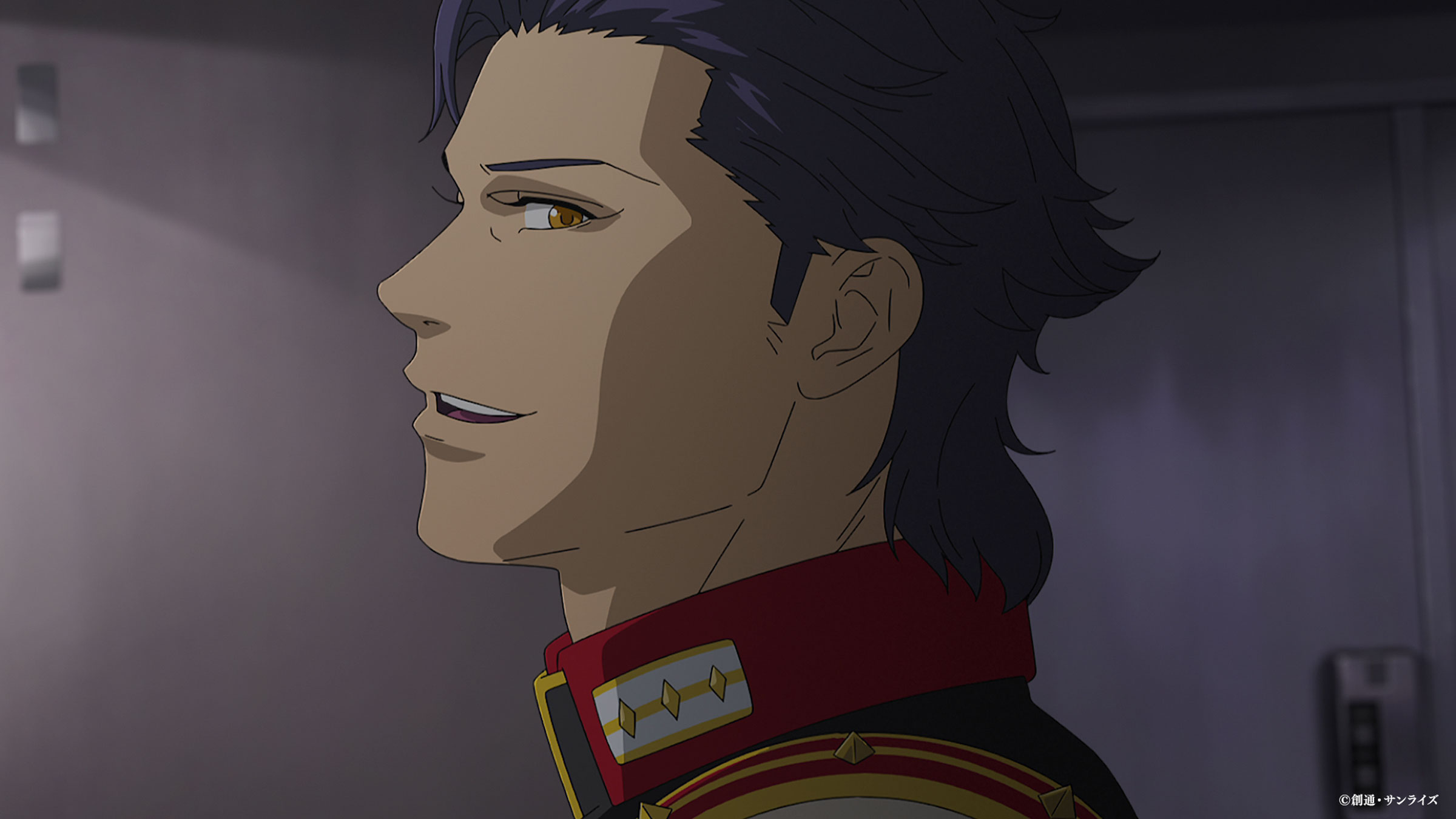
SEEKING CINEMATIC CONVICTION AS A THEATRICAL WORK
Special Feature: Mobile Suit Gundam Hathaway: The Sorcery of Nymph Circe
Director Shukou Murase Interview (Part 3)
The third installment of our special feature on Mobile Suit Gundam Hathaway: The Sorcery of Nymph Circe presents the final part of an extensive three-part interview with director Shukou Murase. In this last segment, Murase discusses the performances of the cast, including those behind Hathaway and Gigi, and looks ahead to what’s in store for the third film.
Interview & Text: Itsuki Mori
Please note: this article contains spoilers for key story elements.
LETTING GIGI’S NUANCE EMERGE FROM UEDA’S OWN EMOTIONS
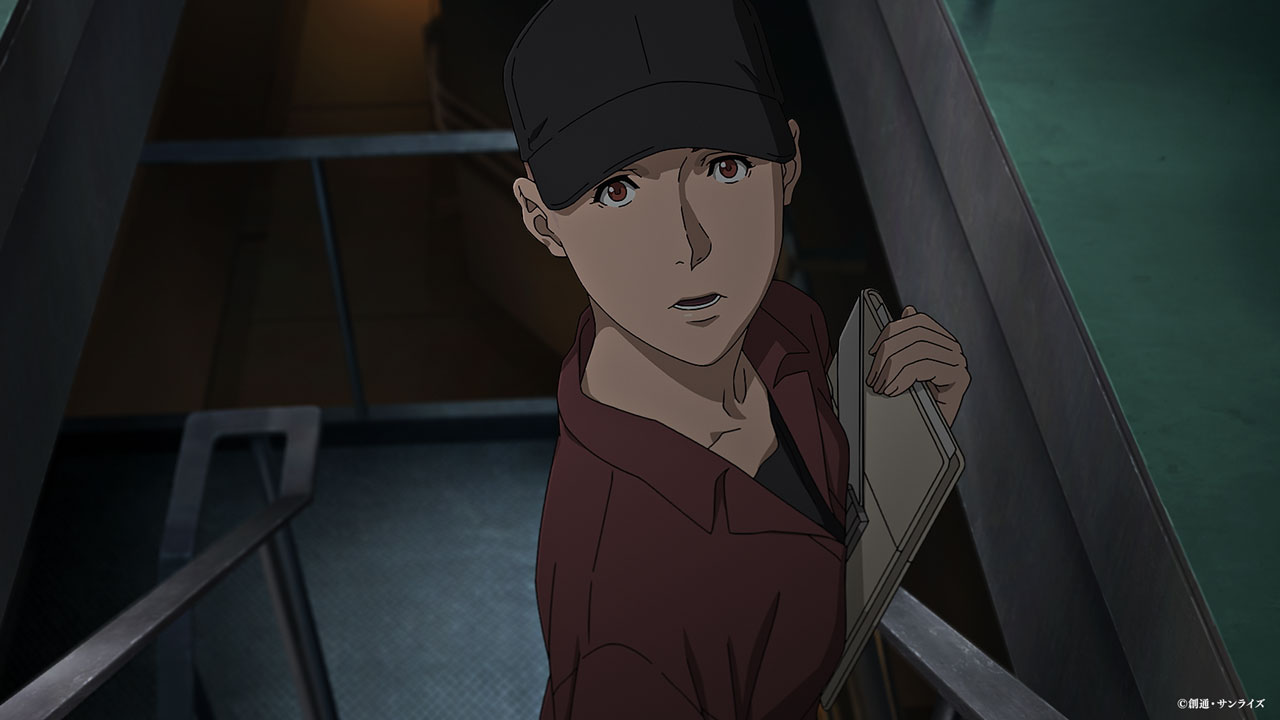
――As part of the drama surrounding Hathaway, the film depicts the gradual drifting apart between him and Kelia Dace.
Murase: If you breeze through the Kelia subplot, she becomes a character the audience can’t understand the purpose of. When you read the stage directions in the novel, by the time she appears, her relationship with Hathaway is already over.
――That is certainly how the text reads.
Murase: Kelia enters the story after it’s already over, and the novel only depicts the final moment of their complete parting. In the first film, she’s introduced as a character Hathaway seems to have let his guard down around, so I struggled with the idea of immediately pulling the rug out with “actually, it was already over.” At the script stage, we even created a flashback scene depicting their past together. But that would have made the already heavy opening feel even heavier. And narratively speaking, that part isn’t the main storyline, it’s more of a prologue. So I ended up embedding the flashback into the scene where Hathaway breaks into a run while still carrying his lingering feelings for her. How to portray that section was something I wrestled with right up until the very end.
――As for Gigi, her exchange with Mace Flower was particularly powerful.
Murase: Their back-and-forth, including the dialogue itself, was recorded exactly as it appears in the novel. During the first stage of dubbing, we initially used a version where everything Gigi says could be clearly heard and understood. But in the final version we emphasized the lip sounds, using a delivery that makes her voice come across almost like a whisper.
――Gigi shows many different facets of her personality from the first film onward. Were there moments where you found her difficult to pin down in terms of expression?
Murase: When it came to expressing Gigi, Reina Ueda’s performance fit the role so naturally that things became much clearer already during the first film. In the second as well, whenever we found ourselves unsure about the nuance of a moment, I’d often ask Ueda to perform the line first and then decide from there.
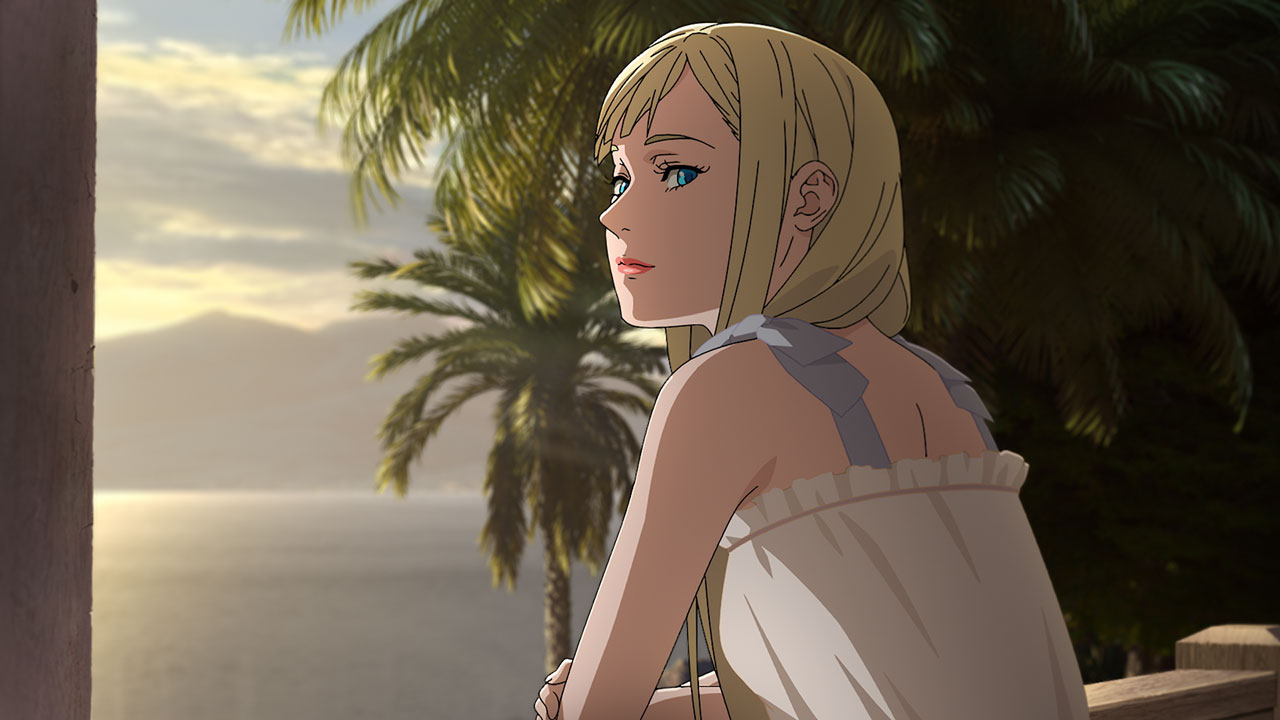
――The scene where she calls Hathaway’s name several times felt like a window into her heart.
Murase: When recording that scene, I told her: “You can ignore the bold cues* if you like, just follow your emotions.” So rather than strictly following my direction or intent, what you hear in that scene is the voice that arose spontaneously from Ueda herself.
Note: A guide inserted into the video used for dubbing, displaying character names and timing cues for when the lines should be delivered.
――Lane Aim’s line, “Mafty wouldn’t be hanging around a tourist spot!” left a strong impression. Changing it to “tourist spot” instead of using an actual place name seems to have heightened the effect.
Murase: As viewers will notice, the “tourist spot” he’s referring to is the area around Uluru, which in the novel is written explicitly as “Ayers Rock.” In Yasuyuki Muto’s script, I believe the line still followed the novel exactly. But when I was translating it into storyboards, I changed it. When you consider the timing of the scene, I wanted an expression that didn’t require the audience any time to process its meaning. By saying “tourist spot,” the line immediately emphasizes the sense of surprise, “Mafty is there of all places?!” which I thought worked better dramatically.
THE THIRD INSTALLMENT WILL ULTIMATELY BECOME KENNETH’S STORY
――Compared with the first film, was the dubbing process smoother this time?
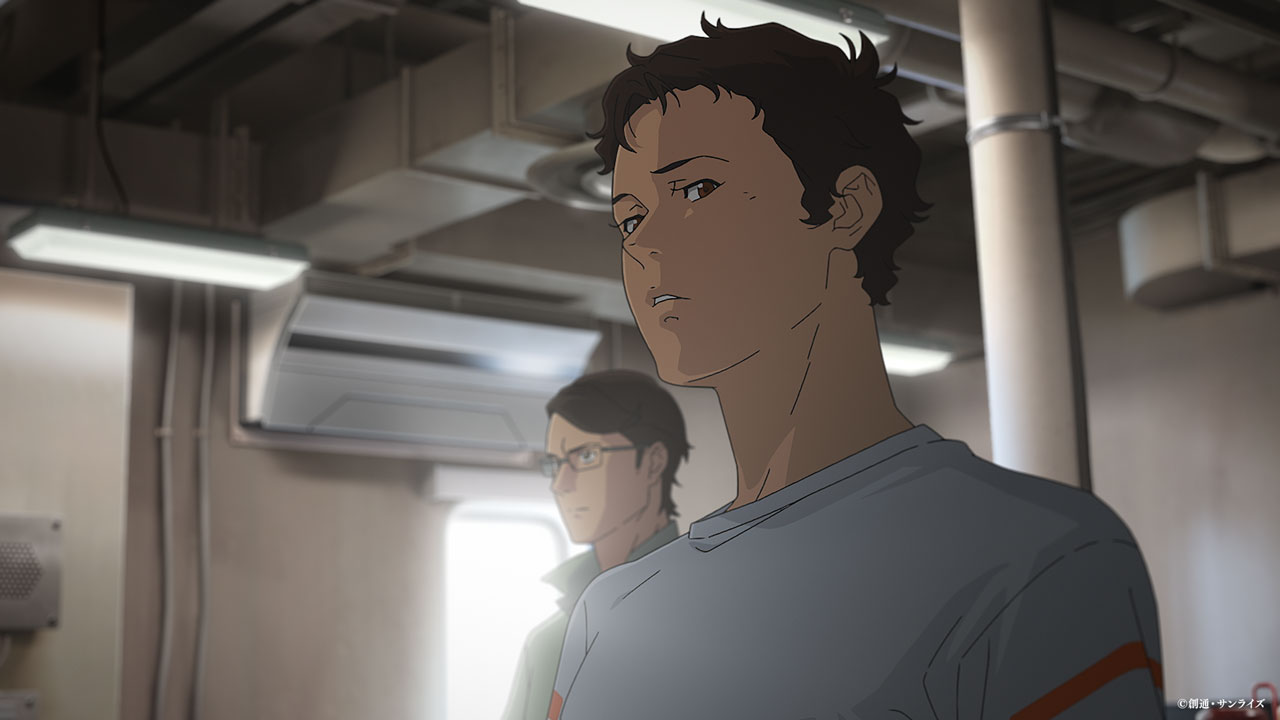
Murase: Yes, I think so. In particular, Kensho Ono, who plays Hathaway, struggled quite a bit during the first film. He was essentially portraying a Hathaway who was wearing a mask, so to speak, someone hiding his true self, and that left him uncertain about how to approach the role. In fact, after recording once, he even asked if he could redo the performance. Considering that, the second went much more smoothly. I think he finally found his footing, or perhaps it felt to him like he had finally met the real Hathaway.
――Were there any other performances from the cast that left a strong impression on you?
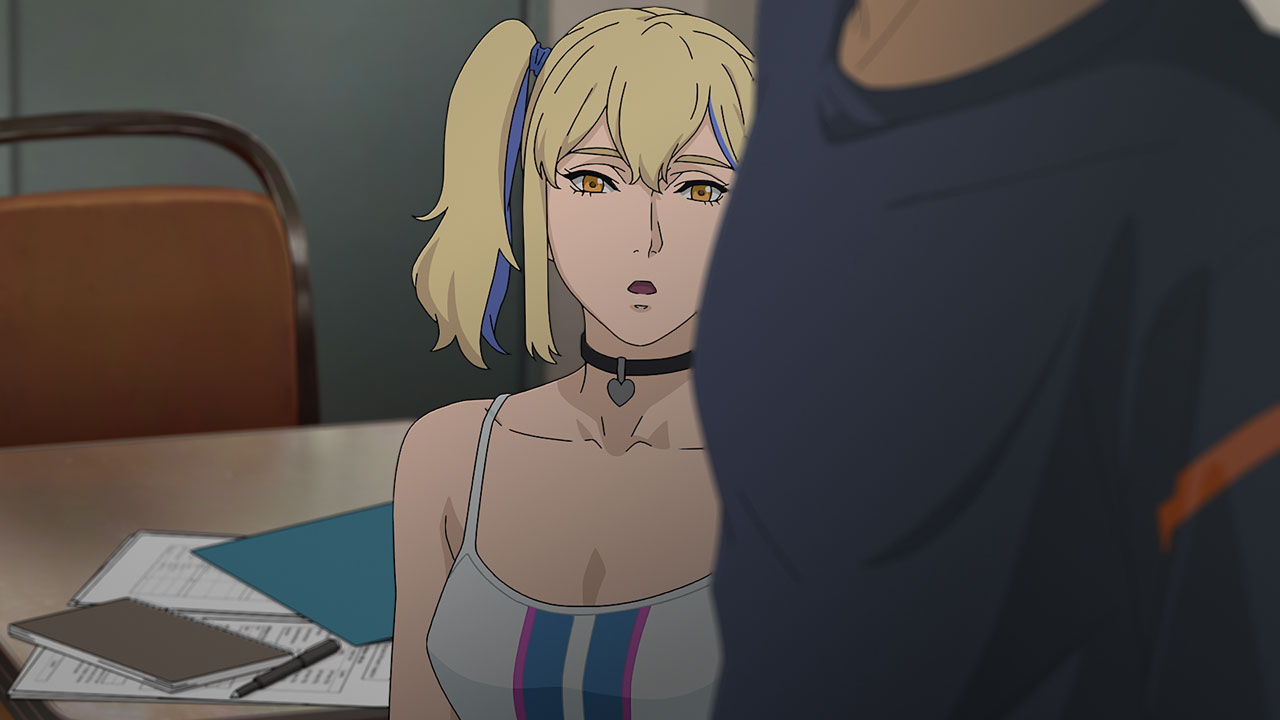
Murase: One of the defining traits of this story is that almost none of the characters speak their true feelings outright. In the novel, those inner emotions are written into the stage directions. If you leave them there exactly as they are, though, the audience might not understand the intent when it’s translated into film. So in some places we converted parts of those stage directions into spoken lines. Finding the right balance for how to present that was difficult. But speaking of the cast, one voice that stood out to me was Mahana Yamazaki, who played Hala Morley. She’s a character who meets such a tragic end, and because her screen time is limited, we wanted a casting choice that would make the audience react, even if she only spoke a line or two, with a sense of “Oh.” Something distinctive. During the dubbing stage I wasn’t entirely certain it would work. But once I saw it combined with the finished visuals, I felt it came together beautifully. For the other members of the Valiant unit as well, we deliberately chose not to depict their final moments directly, so we had to think carefully about how to leave an impression of each character. We also built various details into the design and backstory of Captain Brinks Wedge, but with Hala in particular, I think the balance between her visual design and her voice performance worked especially well.
――Between converting narration into dialogue and the overall commitment to never explaining characters’ inner states through voiceover, it almost feels like a work that has been fully optimized for cinema.
Murase: Television has inevitably become a medium people watch while doing other things. I used to approach TV series with the ambition of telling the story through the visuals alone, but I came to the painful realization that most of the time, it just gets overlooked. Unless you explain things through sound, it’s very hard for the audience to pick up on it.
――Even with rich visuals, if people are watching on a smartphone or TV, it’s hard for them to devote their full attention.
Murase: Exactly. That’s why I sometimes feel only cinema allows us to attempt something like this. On the other hand, even in films there are more and more works that explain things explicitly through dialogue or sound. So even if you try to express something purely through imagery, there’s still a real chance that audiences might miss it. A style of storytelling like Gundam Hathaway, one that relies heavily on visual expression, may only become more difficult to achieve in the future.
――Given those changes in media consumption and audience expectations, it sounds like the third installment will have to be shaped with those realities in mind as well.
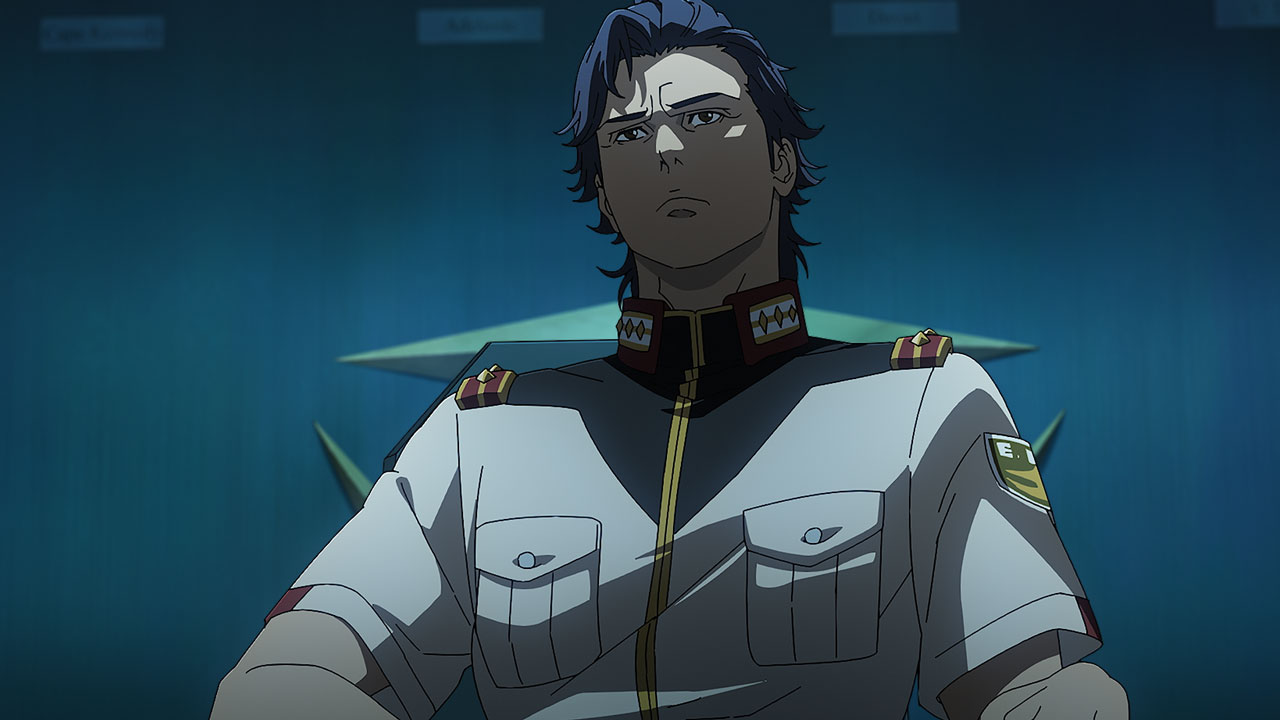
Murase: The third film, in short, will become Kenneth’s story. It’s the conclusion to the entire trilogy, and Gundam Hathaway itself was conceived as a work that presents a kind of resolution for the Universal Century saga, the lineage of conflict stretching from the One Year War and the rivalry of Amuro and Char. So the real question becomes: how do we close that story?
Source: Febri (Interview published March 8, 2026)