[FEBRI FEATURE] Hiroyuki Sawano Interview (Part.01)

Special Feature: Mobile Suit Gundam Hathaway
Music Hiroyuki Sawano (Part 1)
Mobile Suit Gundam: Hathaway arrived in theaters on June 11th. For this feature, we sat down with Hiroyuki Sawano, who took on the film’s score after his work on Mobile Suit Gundam UC and Mobile Suit Gundam NT, to discuss the making of the film and what sets its music apart. In this opening installment, we dig deep into the sound that Sawano arrived at through the creative path traced from Gundam UC and Gundam NT to Gundam: Hathaway.
Interview & Text: Itsuki Mori
AN ABSTRACT, EXPANSIVE CONCEPT: “SOMETHING THAT FEELS LIKE SPACE”
――Mobile Suit Gundam: Hathaway has a very different flavor from Mobile Suit Gundam UC (hereafter UC) and Mobile Suit Gundam NT (hereafter NT), both of which you scored. Were you trying to give the score a completely different feel this time?
Sawano: Producer Naohiro Ogata at Sunrise gave me the keyword “a Gundam for adults,” along with a direction: like recent Hollywood films, he wanted “a sound that pares back the melody to a certain degree.” I was personally interested in that direction myself, and I felt it was an approach that could produce something distinct from both UC and NT. At the same time, I wanted to avoid the music becoming flat and monotonous by removing melody entirely, so my thinking was that if I could use riffs (that is, refrains, repeating phrases) and the sheer tension of the sound itself, I could still properly build emotional swells and dynamic contours.
――So your own artistic direction aligned fairly closely with what Gundam: Hathaway was asking for.
Sawano: That’s right. Which is why it turned out to be an incredibly fulfilling project to work on.
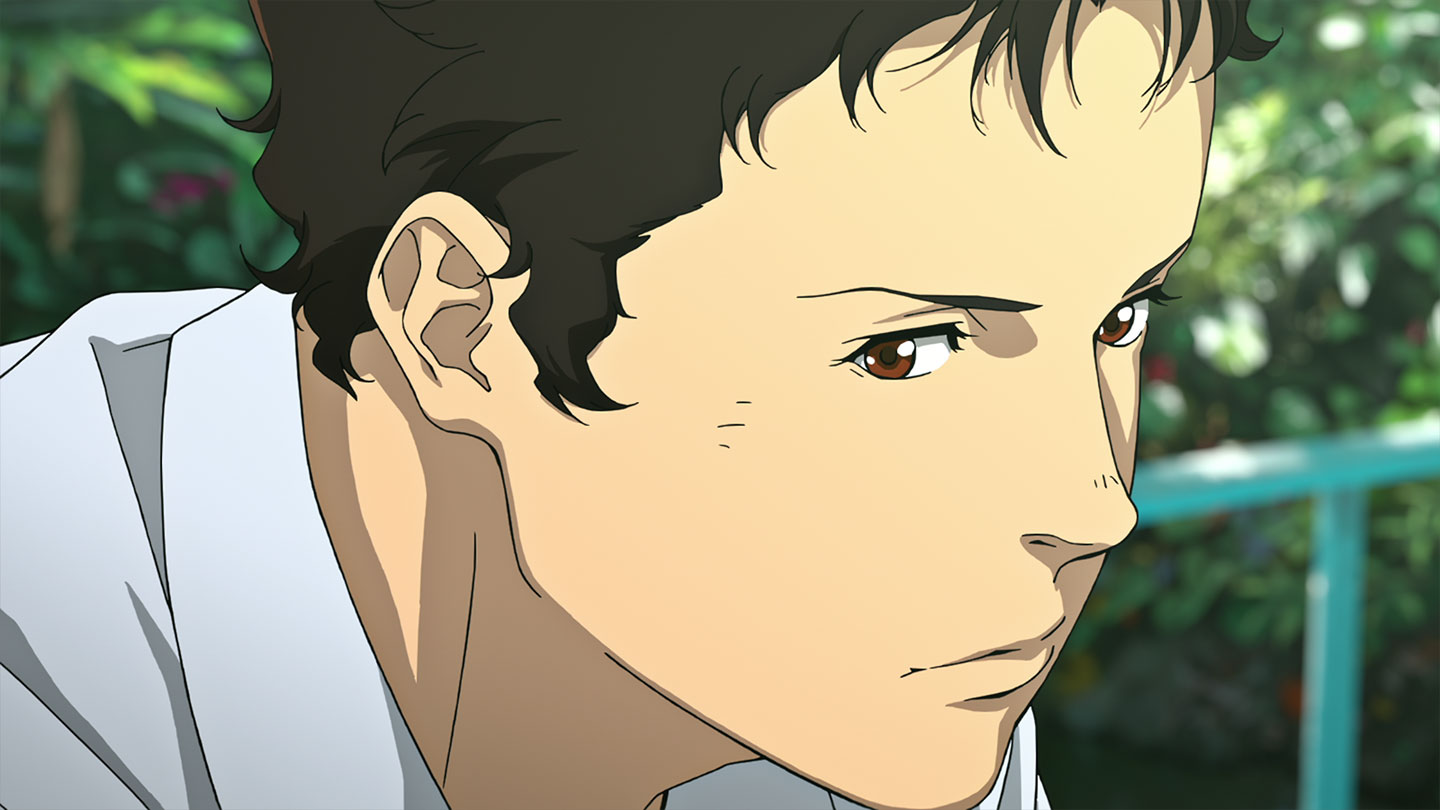
――UC was built primarily around a classic, orchestral sound, while NT was a score driven by techno and electro beats. There’s a sense that whatever sound you want to explore at a given moment ends up linking naturally with the direction of each Gundam project.
Sawano: That may well be true. These have been opportunities to pursue, in a very direct way, the kind of ensemble I’m chasing, current trends included. Looking back, on UC, especially at the time of episode 1, I was pouring my energy into distilling kayōkyoku-style melodies, that classic Japanese pop songcraft, into film scoring, and I genuinely loved that way of working. My production methods haven’t transformed drastically since then, but being influenced by Hollywood film soundtracks, I’ve developed a desire to change how I construct melodies and how I approach rhythm, to make them something different from what I’d done before. That shift in how I think about scoring meshed beautifully with the progression from UC to NT to Gundam: Hathaway, so I was able to slide into the work on the film quite smoothly.
――I see. I’ve heard the offer itself came around the same time as NT.
Sawano: The offers did come close together, it’s true, but NT was produced first. With NT, in order to differentiate it from UC, the theme was: yes, we’ll use an orchestra, but make it digital, and make it danceable. Gundam: Hathaway, on the other hand, while I did ultimately use digital elements, had a much more abstract, expansive concept: something that simply “feels like space.”
――So whereas UC and NT approached things from the sound itself, with Gundam: Hathaway seems to have drawn its sound more directly from the overall tone of the work itself.
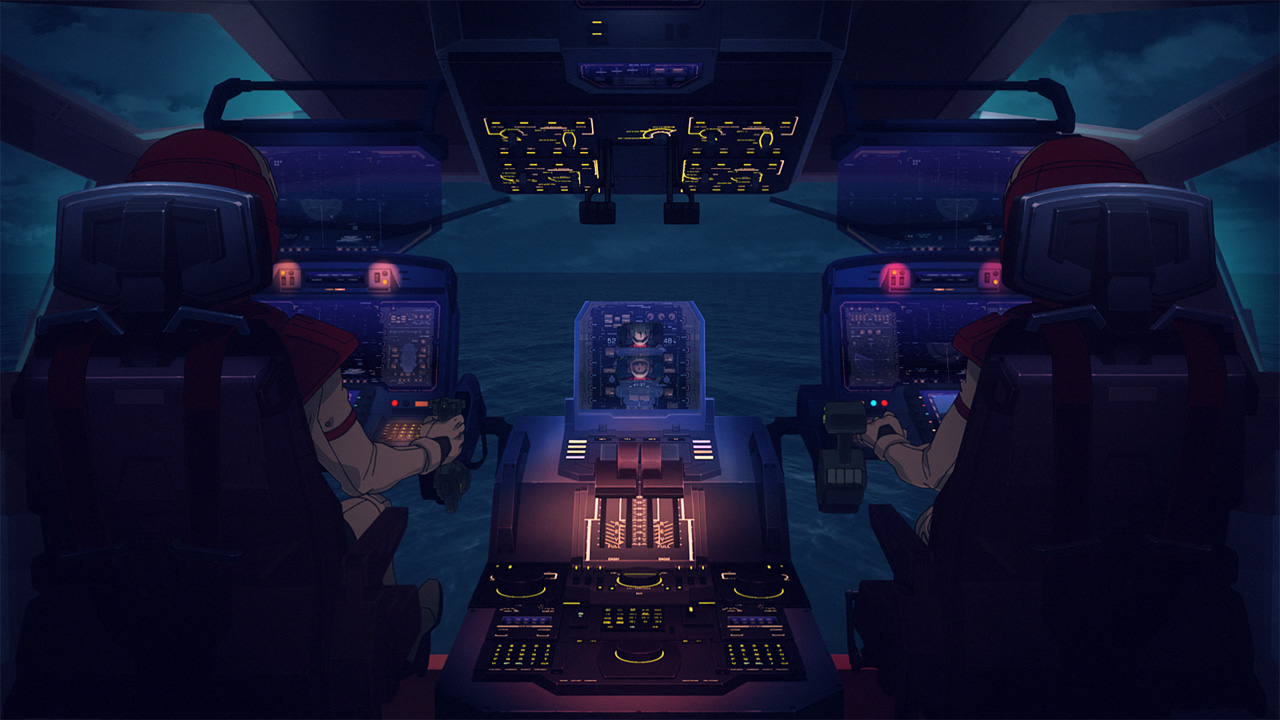
Sawano: Even when using an orchestra, I searched for approaches that would make it sound different, resonate differently, from the conventional way. Within that framework of the future, science fiction, and space, I looked to works like Blade Runner 2049 and Interstellar as a kind of shared language. For example, in Interstellar there’s that visual device where the imagery loops, I felt something deeply science-fictional in that, and I wanted to interpret it musically and give it expression. Concretely, that meant bringing elements of minimal music, looping simple phrases over and over, into Gundam: Hathaway.
NO CHEAP TEARJERKER MELODIES, MUSIC DEVOTED TO “SOUND” ITSELF
――Gundam: Hathaway is planned as a trilogy. Now that you’ve finished composing for Part 1, have new sounds or genres emerged that you’d like to challenge yourself with from Part 2 onward?
Sawano: I think it’ll be an extension of what I did this time, and this isn’t limited to this film, but I want to keep making music that’s ever more specialized in “sound” itself. Of course, I still want to write melodic, orchestra-driven pieces where they’re truly needed, but I don’t think I’ll be reaching for the orchestra as a matter of course anymore. Ideally, for me, I want to create something that loses none of its weight or grandeur while being built primarily on electronics and synths, or on sounds constructed by layering percussion into stacked beats. If you look at recent films, something like TENET reflects that kind of approach. Tracing it back, though, it’s also something Hans Zimmer, who has had a tremendous influence on me as a composer, has been doing for years.
――You mean “sound” in the broader sense, including sonic design as well.
Sawano: Exactly. For example, even among Hans Zimmer’s projects, there are film scores recorded without using an orchestra at all, depending on the picture. And yet the weight, the gravitas, none of it is lost. It stands on its own as a new kind of sound. Gundam: Hathaway itself carries a more mature mood, so I think it’s a project where those kinds of challenges are genuinely possible.
――That makes sense.
Sawano: I see this film as a work where you don’t need to rely on an easy, overtly emotional main theme to make people feel something. It doesn’t have to lean into excessive melodicism.
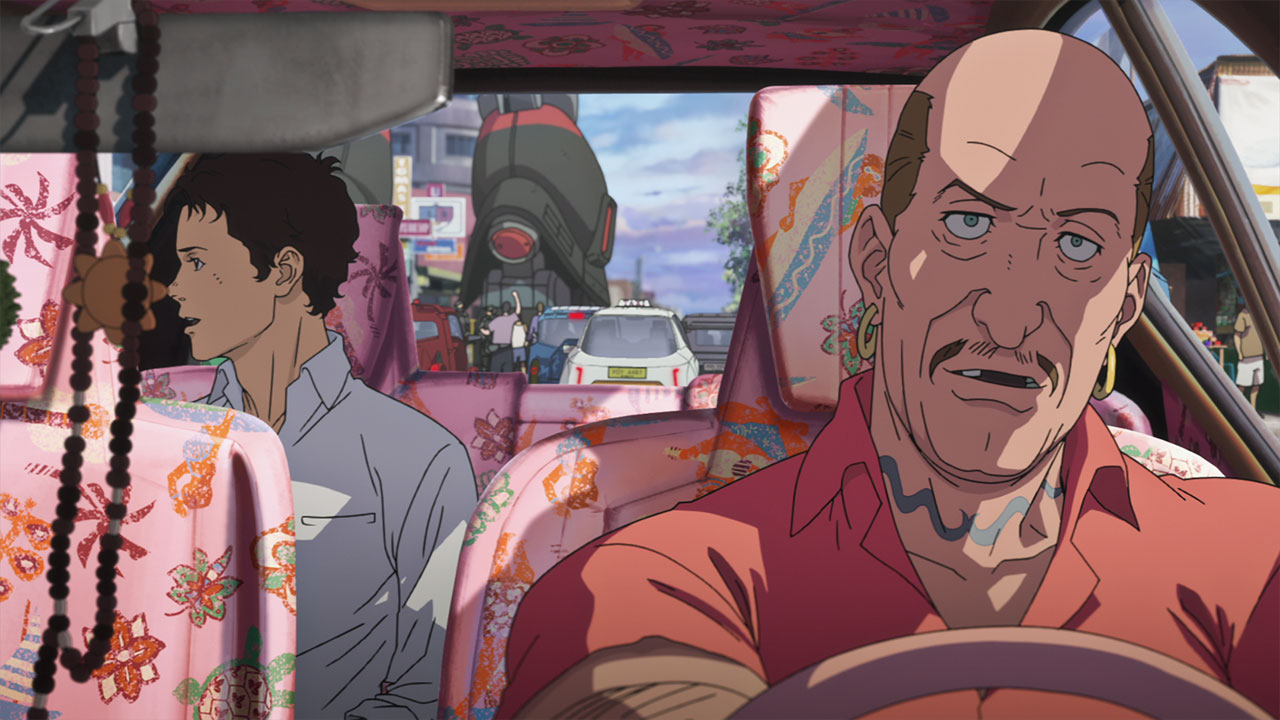
――Overseas, not just in film scores but across pop music as a whole, there’s already been a shift toward prioritizing sound and beat over melody. Given Japan’s market, which often leans toward melody-centric music, incorporating that shift into scoring does sound like a challenge.
Sawano: That said, precisely because a film score has no vocals, there’s a side to it that makes that kind of sound easier to attempt. If you’re aiming for the hit charts, you inevitably have to keep kayōkyoku-style songcraft in mind to some degree. Of course, that doesn’t mean a soundtrack can ignore it entirely, and I fully understand that melodic music commands enormous popularity. But I also believe it’s important to pursue sound that is experimental and cutting-edge as pure audio, while still carrying real entertainment value. Being able to hold those two things in balance is what makes film scoring so fascinating, I think, and if I can bring that out in my own way, tailored to each work, that’s the best outcome.
――With the science fiction and action projects you so often take on, those elements might be especially easy to weave in.
Sawano: There’s that, and also, take insert songs, for example. Because they’re tied so closely to the visuals, it becomes easier to experiment with a wider range of sounds. As long as it fits the imagery, even a thoroughly overseas-style sound can hold together.
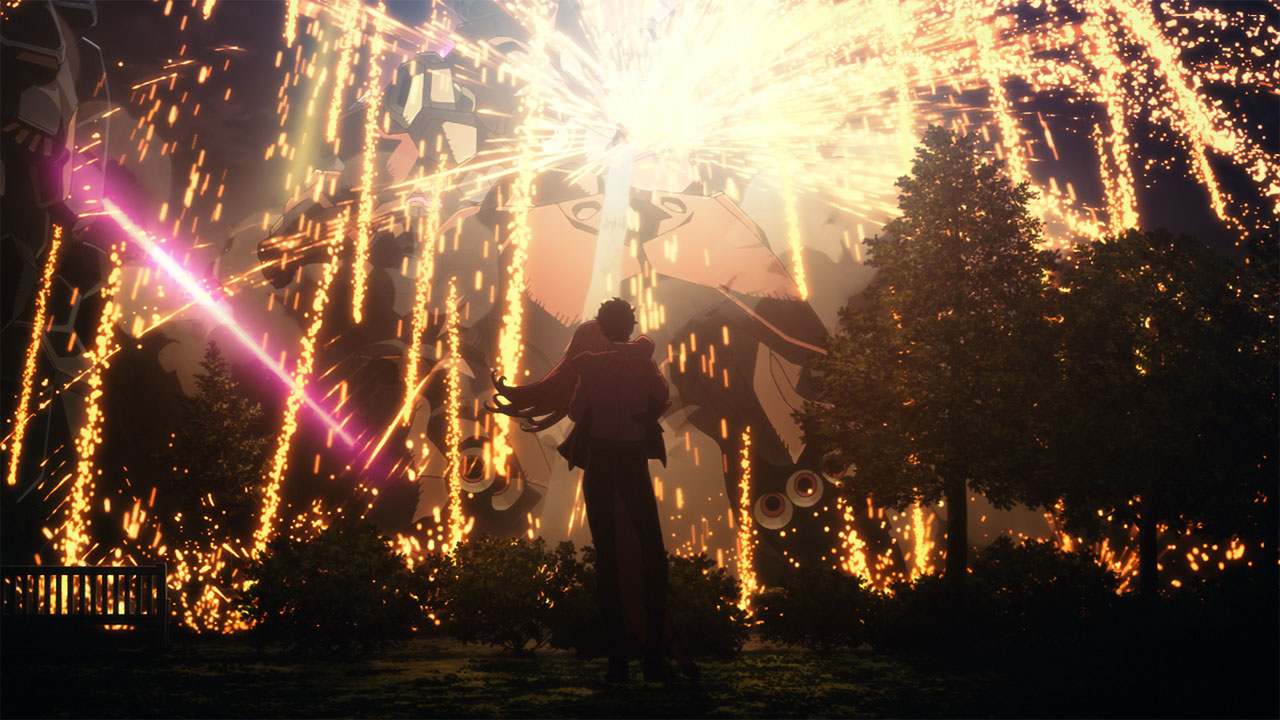
――Gundam: Hathaway itself is clearly aiming for a global audience.
Sawano: Anime has been attracting a lot of attention from overseas lately. I haven’t done a detailed analysis of what foreign audiences specifically consider “Japanese-ness,” but I do want to create sounds that people from all kinds of countries can hear and think, “That’s cool.” To put it bluntly, when a work is successful and well-received, its soundtrack tends to get attention as a result, but people don’t always look closely at the quality of the music itself. On the other hand, even if I feel I’ve created something I’m personally satisfied with, if the work doesn’t succeed, it often struggles to come into the spotlight.
――Because it’s ultimately perceived as something tied to the visuals.
Sawano: Yes. But as a composer, I refuse to compromise musically; I want to keep pursuing whatever it is that makes me think, “This is it.” Gundam: Hathaway is one of those important projects where I feel that mindset is absolutely essential.
Source: Febri (Interview published June 14, 2021)